
Our endeavour is to help you unlock the full potential of your proteomics research. We do this by providing simple and cost-efficient kits to help you eliminate the most common proteins so that you can enhance the less abundant ones. Looking ahead, we aim to translate this technology into innovative diagnostic tests for common yet underserved diseases, enabling more accurate, personalized treatments and ultimately improving human health.
Mass spectrometry offers exceptional sensitivity for proteomics research; however, its reliability is fundamentally dependent on the quality of sample preparation. Each stage from initial sample collection to the generation of peptide mixtures can introduce variability that impacts data quality and reproducibility (Ignjatovic et al., 2019). To mitigate these challenges, rigorous standards for sample collection and handling have been established. In addition, ready-to-use kits are now available for critical steps such as denaturation, reduction, alkylation, digestion, and peptide purification, ensuring consistent and dependable results throughout your workflow. The same principles apply to the depletion of abundant proteins. Rather than relying on labor-intensive manual protocols, pre-assembled, single-use depletion kits are increasingly favoured by researchers for their ability to:
Mass spectrometry offers exceptional sensitivity for proteomics research; however, its reliability is fundamentally dependent on the quality of sample preparation. Each stage from initial sample collection to the generation of peptide mixtures can introduce variability that impacts data quality and reproducibility (Ignjatovic et al., 2019). To mitigate these challenges, rigorous standards for sample collection and handling have been established. In addition, ready-to-use kits are now available for critical steps such as denaturation, reduction, alkylation, digestion, and peptide purification, ensuring consistent and dependable results throughout your workflow. The same principles apply to the depletion of abundant proteins. Rather than relying on labor-intensive manual protocols, pre-assembled, single-use depletion kits are increasingly favoured by researchers for their ability to:





At Amiprox, our solutions are engineered to deliver consistency, simplicity, and high performance at every stage of your proteomics workflow, empowering you to achieve reliable and reproducible results with confidence.
Mass spectrometry offers exceptional sensitivity for proteomics research; however, its reliability is fundamentally dependent on the quality of sample preparation. Each stage from initial sample collection to the generation of peptide mixtures can introduce variability that impacts data quality and reproducibility (Ignjatovic et al., 2019). To mitigate these challenges, rigorous standards for sample collection and handling have been established. In addition, ready-to-use kits are now available for critical steps such as denaturation, reduction, alkylation, digestion, and peptide purification, ensuring consistent and dependable results throughout your workflow. The same principles apply to the depletion of abundant proteins. Rather than relying on labor-intensive manual protocols, pre-assembled, single-use depletion kits are increasingly favoured by researchers for their ability to:
At Amiprox, our solutions are engineered to deliver consistency, simplicity, and high performance at every stage of your proteomics workflow, empowering you to achieve reliable and reproducible results with confidence.
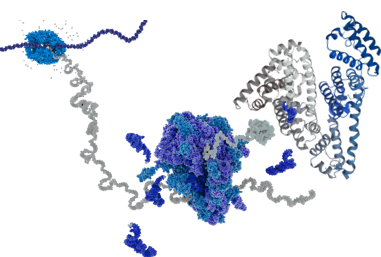
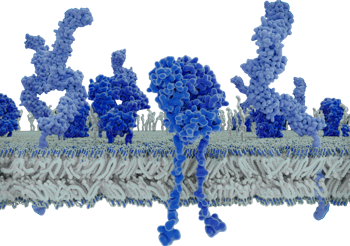
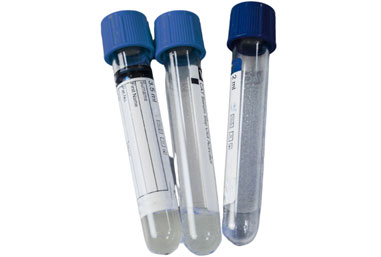
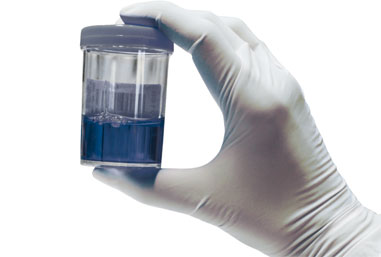
What once required years of work can now be done in hours: today’s advanced mass spectrometry technologies allow us to analyze thousands of proteins simultaneously with remarkable speed, precision, and from the smallest sample volumes. New approaches such as DIA (Data-Independent Acquisition) and single-cell proteomics make it possible to capture protein activity at an unprecedented level of detail.
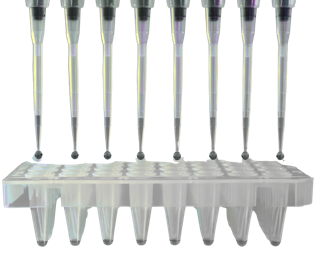
The power behind ProtiPrep’s™ 10-minute workflow lies in the seamless integration of two core innovations:
It is the synergy between our hardware and our chemistry that unlocks this unparalleled speed and simplicity. Together, they turn hours of complex, error-prone work into a single, efficient step. Explore below to learn how each component contributes to redefining proteomics sample preparation.
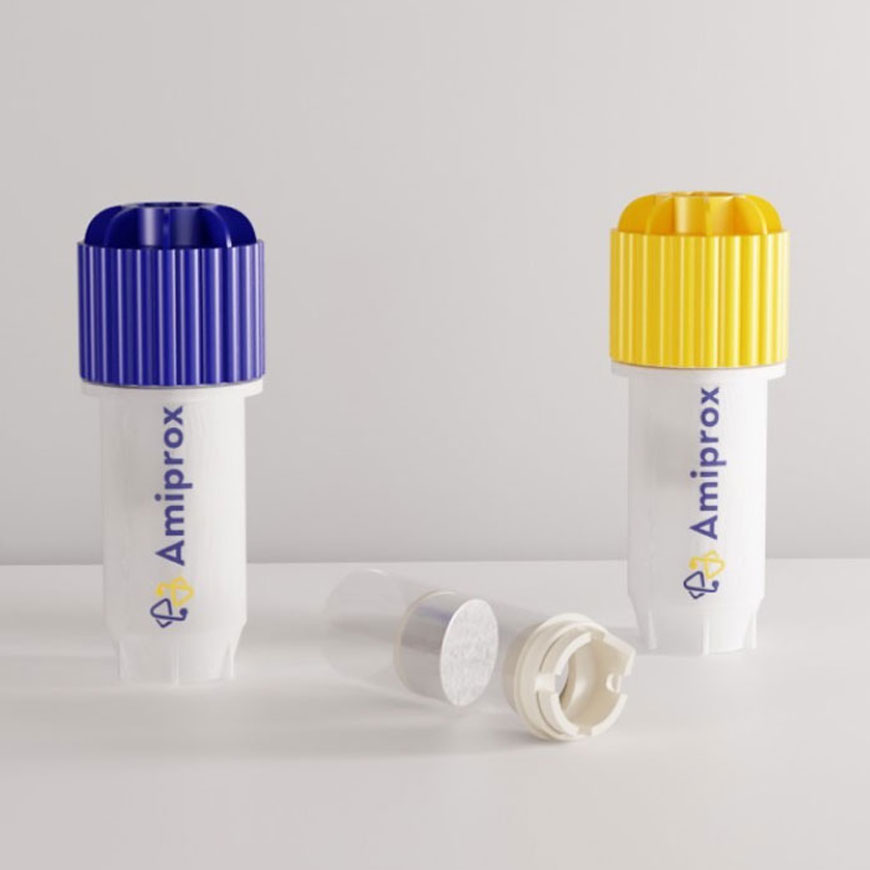
The ProtiPrep™ device is more than just a tube, it is a self-contained system engineered to eliminate complex handling and reduce pipetting errors. Its innovative two-part design consists of the upper Depletion Void (DV), which houses our proprietary resin, and the lower Sample Collection Tube. Every element is designed for one purpose: to make your workflow effortless. The user just pipettes 10 µL of plasma into the Depletion Void. The magic happens next: sealing the device with the screw-cap activates a unique buffer-release mechanism, seamlessly mixing the buffer with your sample and the resin. A brief 5-minute incubation with shaking, followed by a standard centrifugation step, is all it takes. After centrifugation, the device ensures a clean and easy separation. The user simply unscrews the top Depletion Void which traps the resin and all the bound, high-abundance proteins to reveal the Collection Tube. Inside is approximately 150 µL of purified, depleted plasma, ready for immediate downstream analysis. No tedious transfer steps, no risk of resin carry-over, and no sample loss, just a perfect sample, every time.
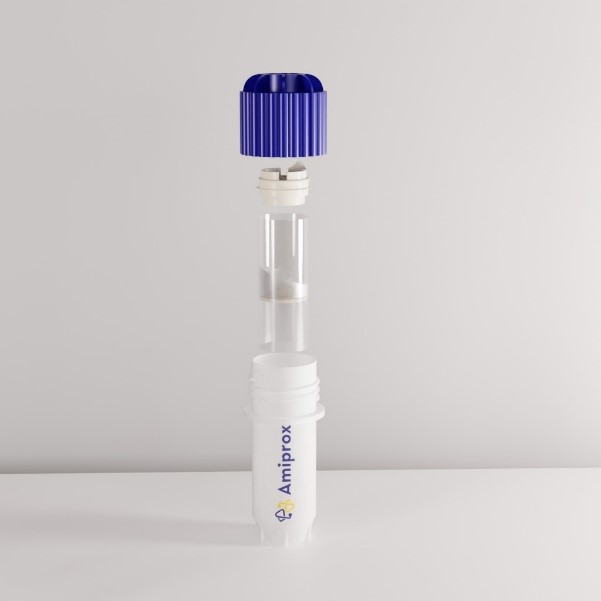
At the heart of every Amiprox product device is our high-performance affinity resin, the engine driving our 10-minute workflow. We’ve optimized this chemistry for one purpose: to deliver maximum binding efficiency and reliability in record time.
Unmatched speed: The resin’s exceptionally rapid binding kinetics allow for the quick capture of high-abundance proteins. This is the key to achieving complete depletion in a protocol that takes just five minutes.
Powerful capacity: This speed is matched by a high dynamic binding capacity. Our resin is engineered to effectively remove even the most concentrated proteins, like albumin, without any risk of saturation.
Complete specificity: The powerful capture mechanism is balanced with optimized specificity. It targets abundant proteins while minimizing non-specific binding, ensuring your valuable, low-abundance biomarkers are protected and retained for analysis.
Working in perfect synergy with the Amiprox product, our resin is your guarantee for clean, consistent results in a fraction of the time.
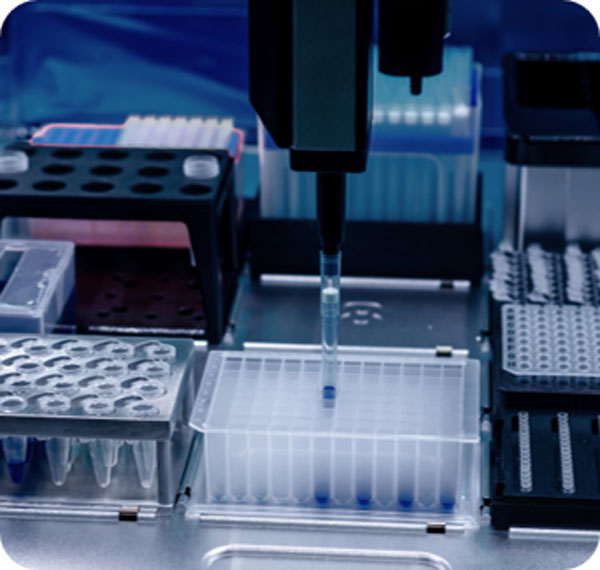
As the new wave of proteomics in diagnostics continues to rise, the demand for robust and reproducible sample preparation kits remains a key bottleneck. While ProtiPrep™ Pop2 has improved the discovery of low-abundance proteins in mass spectrometry, it is not ideally suited for high-throughput applications. To address this limitation, we developed ProtiPlate Pop2, which transfers the proven Pop2 chemistry into a 96-well format while maintaining the same formulation for efficient depletion of HSA and IgG from undiluted plasma samples. These deep-well plates are designed for processing large sample volumes, either manually or using liquid handling systems. Upcoming additions to the ProtiPlate line will extend high-throughput capabilities to antibody purification and broader depletion panels, supporting an expanding range of plasma proteomics workflows.
Proteins are large, complex molecules built from chains of amino acids essential to every living organism and responsible for an extraordinary range of biological functions. Each protein’s unique structure and role are defined by its specific amino acid sequence, encoded in the organism’s DNA. Of the roughly 22 proteinogenic amino acids, the precise order in which they are arranged determines everything: from a protein’s shape to its function.
Every organism carries its own distinct protein profile, shaped by both genetics and environment. The Human Genome Project, completed in 2003, marked a turning point laying the foundation for proteomics, the systematic study of proteins based on genomic information. Of the ~19,700 proteins encoded in the human genome, approximately 93% have been identified to date. Yet many remain undiscovered, potentially holding answers to some of biology’s and medicine’s most pressing questions.
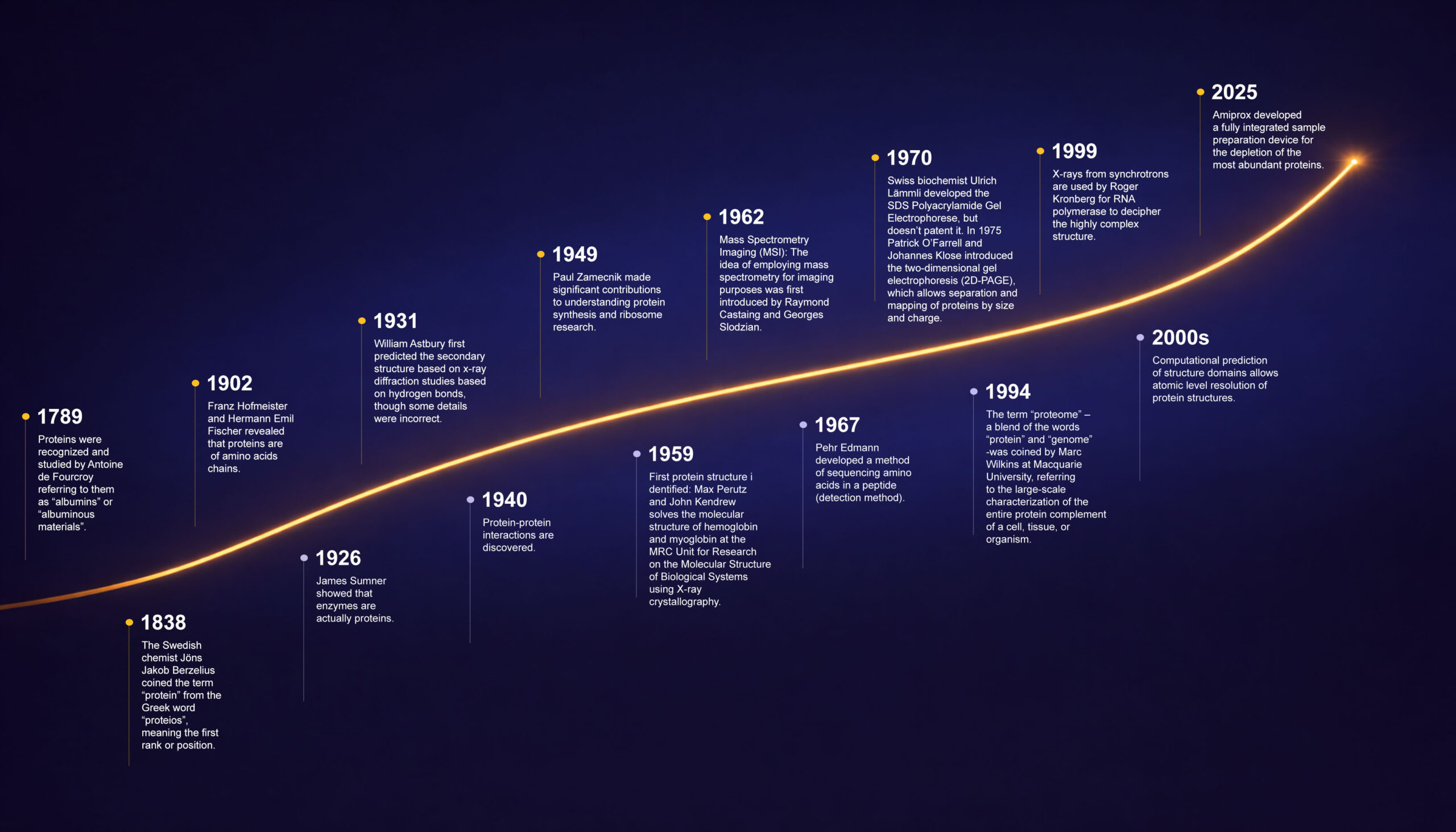
In 1994, Australian scientist Marc Wilkins coined the term proteome a blend of protein and genome to describe the complete set of proteins present in a cell, tissue, or organism at any given moment. Unlike the relatively static genome, the proteome is dynamic, continuously reflecting real-time biological activity through changes in protein types, quantities, and modifications.
Systematic analysis of proteomes only became possible through breakthrough technologies such as 2D gel electrophoresis and mass spectrometry, enabling researchers to identify, quantify, and characterize proteins at scale. These advances laid the foundation for modern proteomics opening the door to a deeper understanding of biology, disease, and the discovery of novel biomarkers.
Proteomics investigates which proteins are produced in the body, where and how they function, and how they interact with one another. It is a cornerstone of the broader “omics” sciences alongside transcriptomics, lipidomics, and metabolomics collectively enabling a holistic understanding of biological systems.
Its applications span virtually every domain of life science:
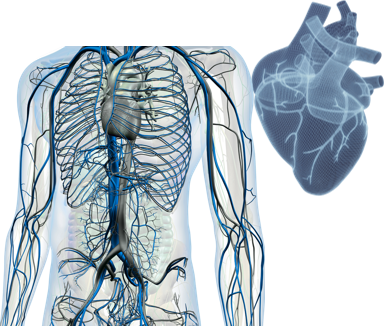
Approximately two thirds of our body weight is made up of fluids and blood, though accounting for only about 8% of that total, is arguably the most informative. Composed of cellular components such as red blood cells, white blood cells, and platelets, as well as a liquid phase called plasma, blood is far more than a transport medium. Flowing through every organ and tissue, it captures real-time snapshots of the body’s physiological and pathological states, making it the most vital sample type in clinical diagnostics. It has already enabled the discovery of key biomarkers such as cardiac troponins, insulin, and C-reactive protein yet much of its proteomic landscape remains unexplored. Mass spectrometry is changing that, enabling the simultaneous detection of thousands of proteins with unmatched sensitivity and specificity.
What once required years of work can now be done in hours: today’s advanced mass spectrometry technologies allow us to analyze thousands of proteins simultaneously with remarkable speed, precision, and from the smallest sample volumes. New approaches such as DIA (Data-Independent Acquisition) and single-cell proteomics make it possible to capture protein activity at an unprecedented level of detail. Powerful AI-driven analytics turn vast datasets into meaningful patterns helping distinguish health from disease and opening the door to earlier diagnoses and smarter therapies. Quantitative methods such as TMT, SILAC, and label-free quantification (LFQ) don’t just tell us which proteins are present, but also how much and under what conditions unlocking entirely new insights for personalized medicine.